Mastering Multi-Indication Aesthetics: Versatility and Results with the Alpha 3D IPL Series

Case Study:
FormaTK Multi-Indication Case Series – Versatility of The Alpha System with Three 3D IPL Applicators – 430 nm / 530 nm / 590 nm
Authors:
Dr. Nadav Pam, Clinical Director at FormaTK | Medical Aesthetic Device R&D | Global Training & Innovation in Energy-Based Systems
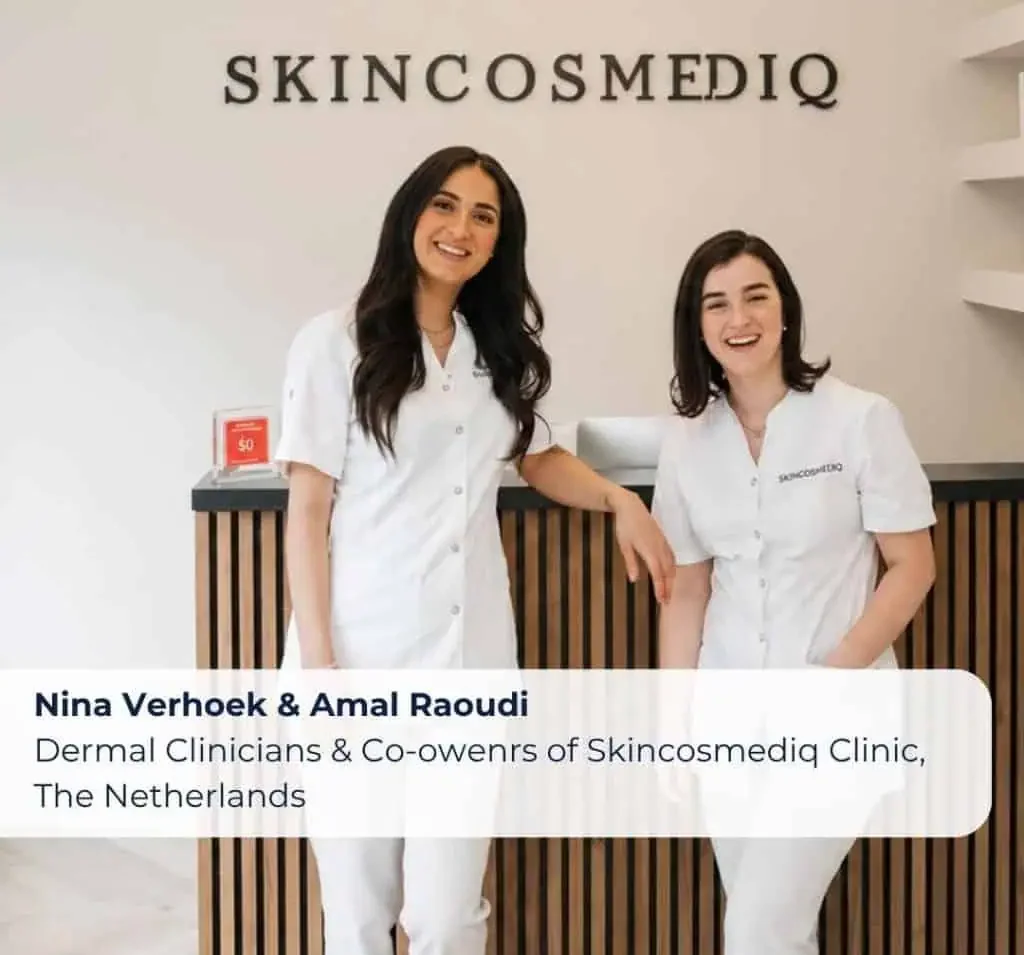
Nina Verhoek, Dermal Clinician, Co-Owner Skincosmediq Clinic, The Netherlands
Amal Raoudi, Dermal Clinician, Co-Owner Skincosmediq Clinic, The Netherlands
July 2026
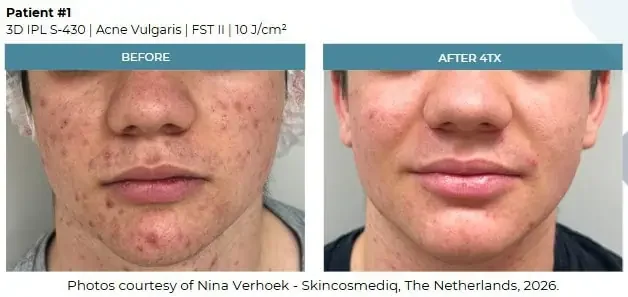
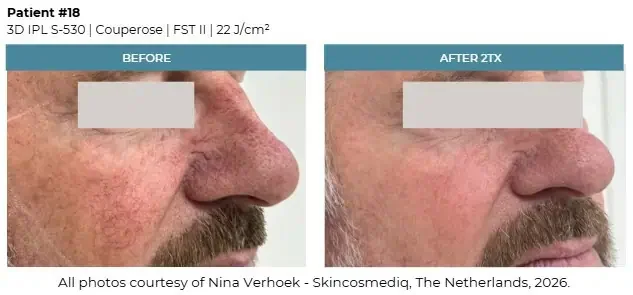
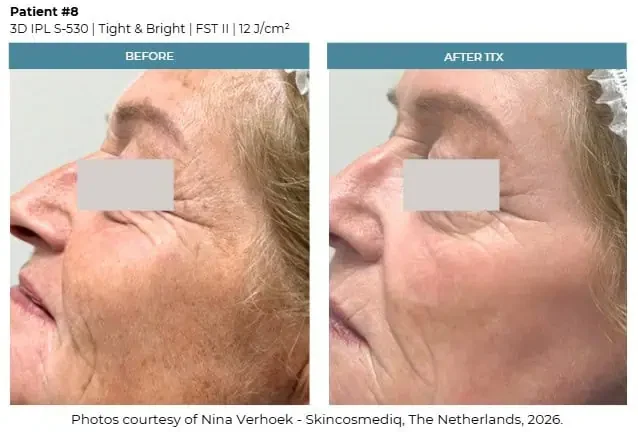
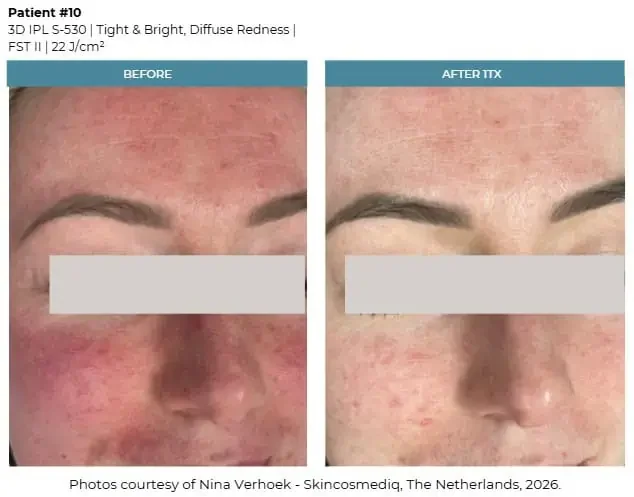
This 24-month, prospective, single-center, real-world case series evaluated the safety, patient comfort, and clinical efficacy of the FormaTK Alpha System operated with three different 3D IPL applicators: 430 nm, 530 nm, and 590 nm – across a heterogeneous patient population treated at Skincosmediq Clinic between January 2024 and May 2026. The primary objective was to assess platform versatility in addressing multiple dermatologic indications, including active acne, pigmentation, photoaging, rosacea, and vascular conditions – by switching applicators while maintaining a consistent device, operator team, and two-pass treatment logic.
The study included 22 consecutive patients (ages 14–75; Fitzpatrick skin phototypes II–V) presenting with indications such as inflammatory acne vulgaris, facial pigmentation, melasma-pattern dyschromia, generalized photoaging, rosacea, and extra-facial vascular or pigmentary damage. Clinical outcomes were evaluated via standardized photography at baseline and follow-up, graded by an independent investigator using a 4-point scale.
All 22 patients achieved at least 80% improvement, with a cohort mean improvement of 85.9%. No serious adverse events were reported, and transient post-treatment erythema resolved in all cases within one hour.
This case series demonstrates that the FormaTK Alpha System, utilizing interchangeable 3D IPL applicators and a shared treatment logic, offers a noninvasive, safe, and effective solution for a wide range of dermatologic indications in a private-practice setting. The platform’s versatility allowed for efficient, multi-indication treatment without requiring changes to the core device or operator workflows. Further randomized controlled studies with larger cohorts are warranted to confirm these findings.