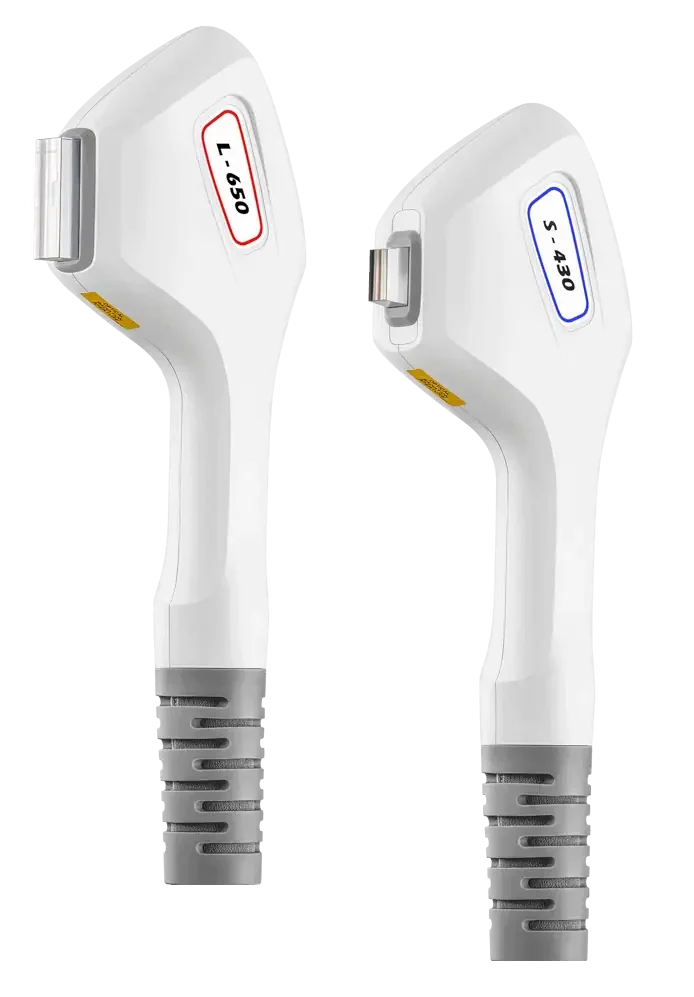
3D IPL TECHNOLOGY
SMALL CHANGE. BIG IMPACT
We at FormaTK believe that a successful treatment means we reached the desired clinical end point while minimizing patient discomfort and adverse effect risks. In order to achieve that, users should have control on the most important treatment parameters.
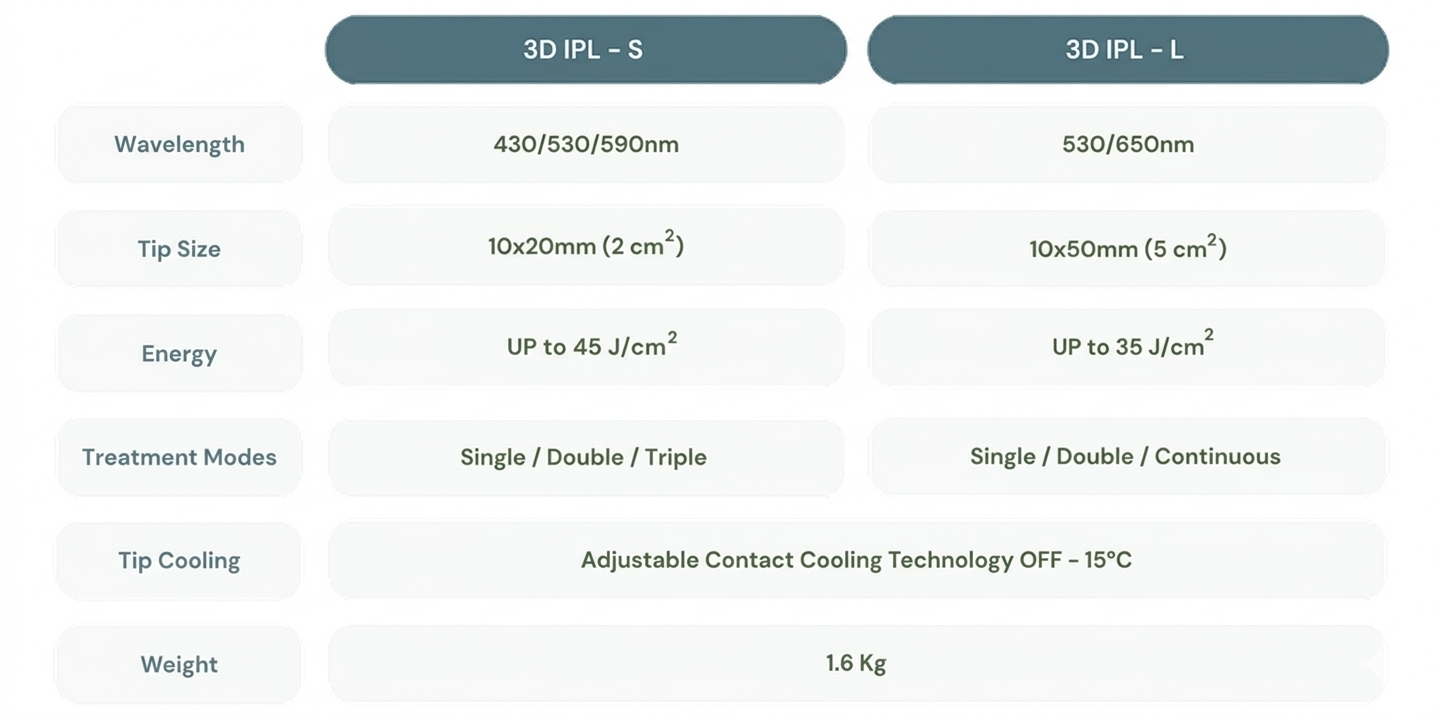
This is why our 3D IPL technology enables users to control the Wavelength (nm), Energy (J/cm2), Pulse Duration (ms), and Contact cooling temperature (C° / F°).
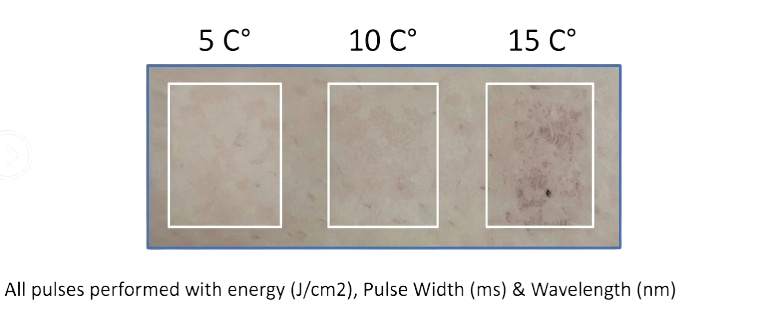
One of the unique features of FormaTK’s 3D IPL technology is providing the users with the ability to control the contact cooling intensity and select if they want to use Off/5/10/15 degrees Celsius.
This image demonstrates that even a 5 C° change in contact cooling temperature has a profound impact on tissue response.
Why is changing the contact cooling important?
While contact cooling helps protect the skin and reduce discomfort, it can also result in overcooling of the treated area, reducing treatment effectiveness and increasing adverse effect risks due to the need to increase treatment parameters. Any increase in the threshold fluence for epidermal damage achieved by cooling is largely offset by the increase in the incident light dose required to heat the targeted chromophores to a temperature sufficient for permanent photocoagulation.
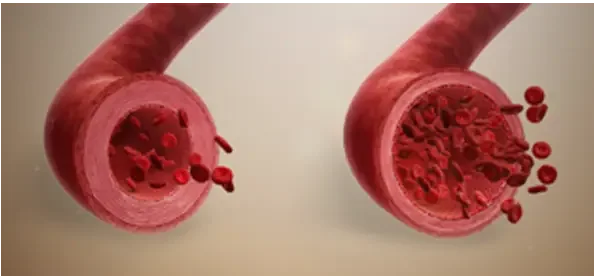
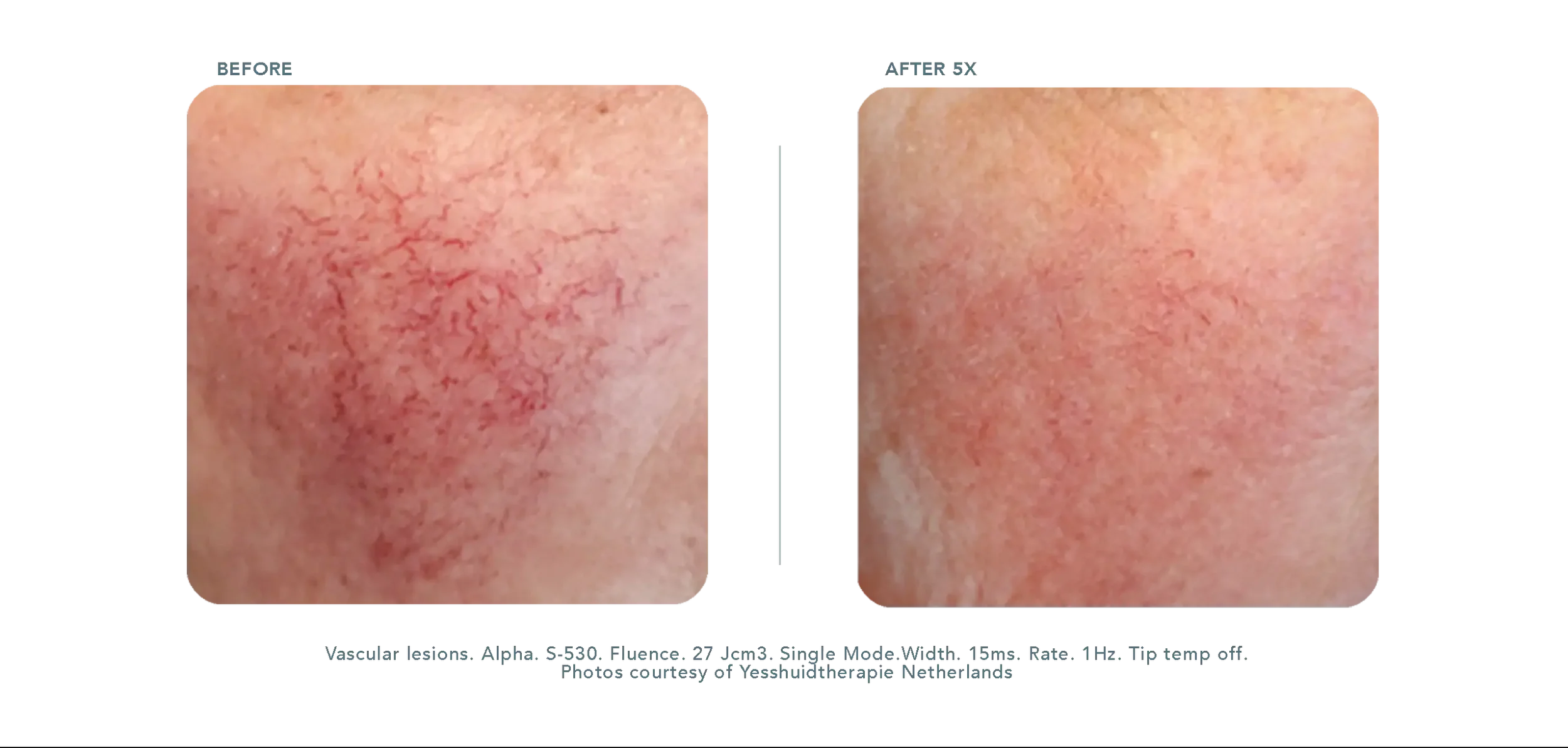
When treating vascular lesions, FormaTK’s 3D IPL Technology allows precise control of contact cooling temperature, enabling an optimal balance between epidermal protection and minimising vasoconstriction. By reducing the degree of vasoconstriction, a greater volume of blood , the target chromophore (oxyhaemoglobin) remains within the treatment area. This results in increased energy absorption and allows the desired clinical endpoint to be achieved effectively, even at lower fluences.
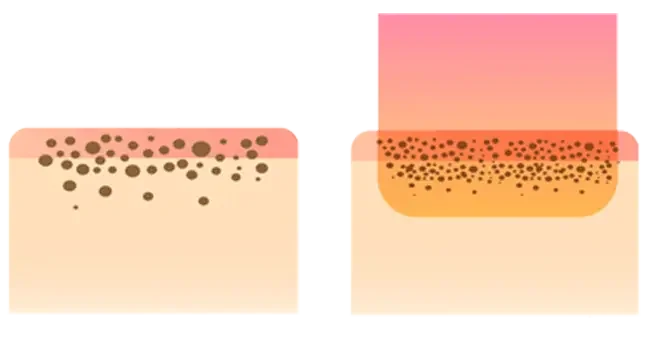
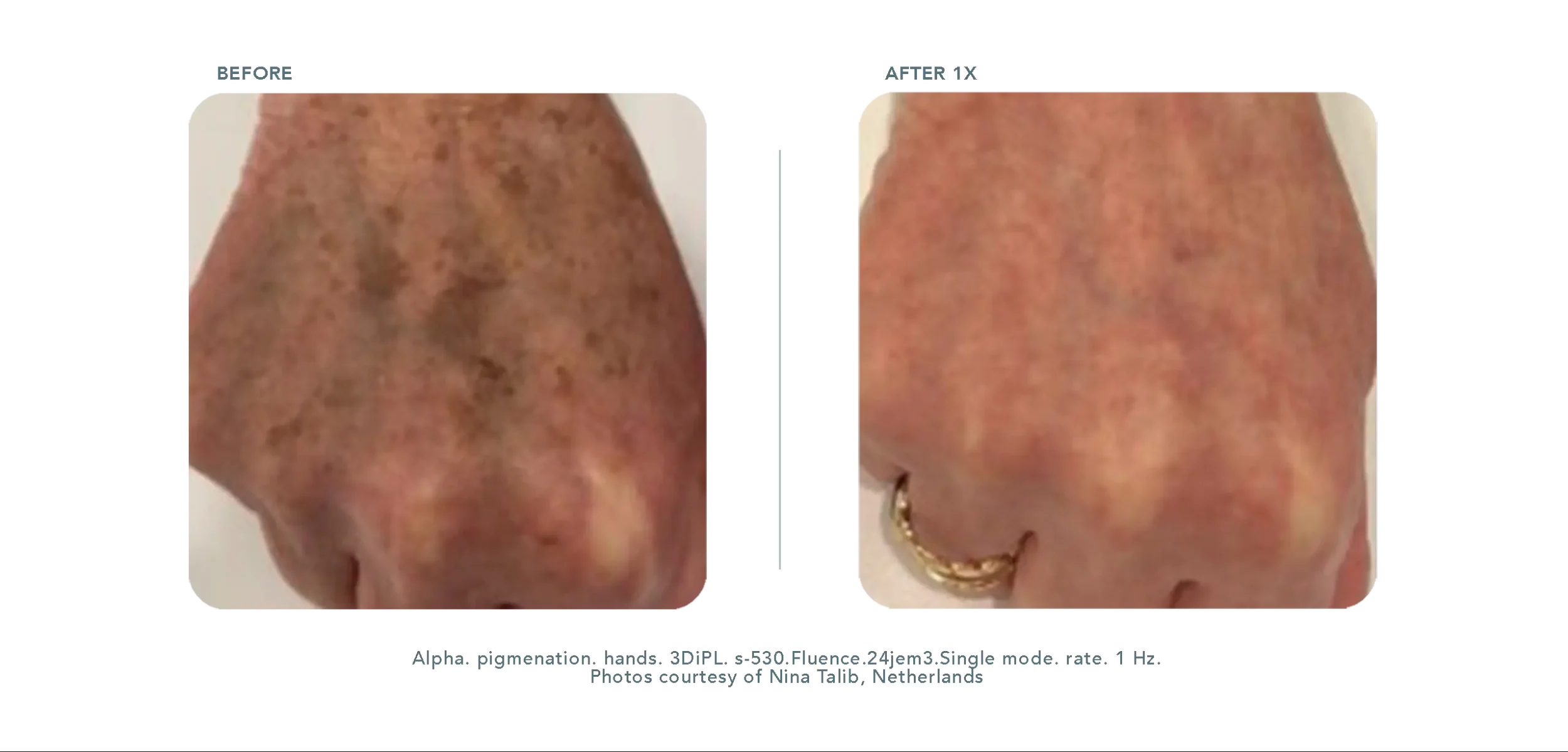
When treating Pigmented lesions, overcooling can lead to a reduction in core temperature of the target chromophore (melanin) which would require higher fluencies to be used in order to reach clinical end points. FormaTK’s 3D IPL Technology allows users to control the contact cooling temperature we can balance between protecting the tissue and reducing this overcooling effect. The result is that we can successfully reach our clinical end point even at lower fluencies.
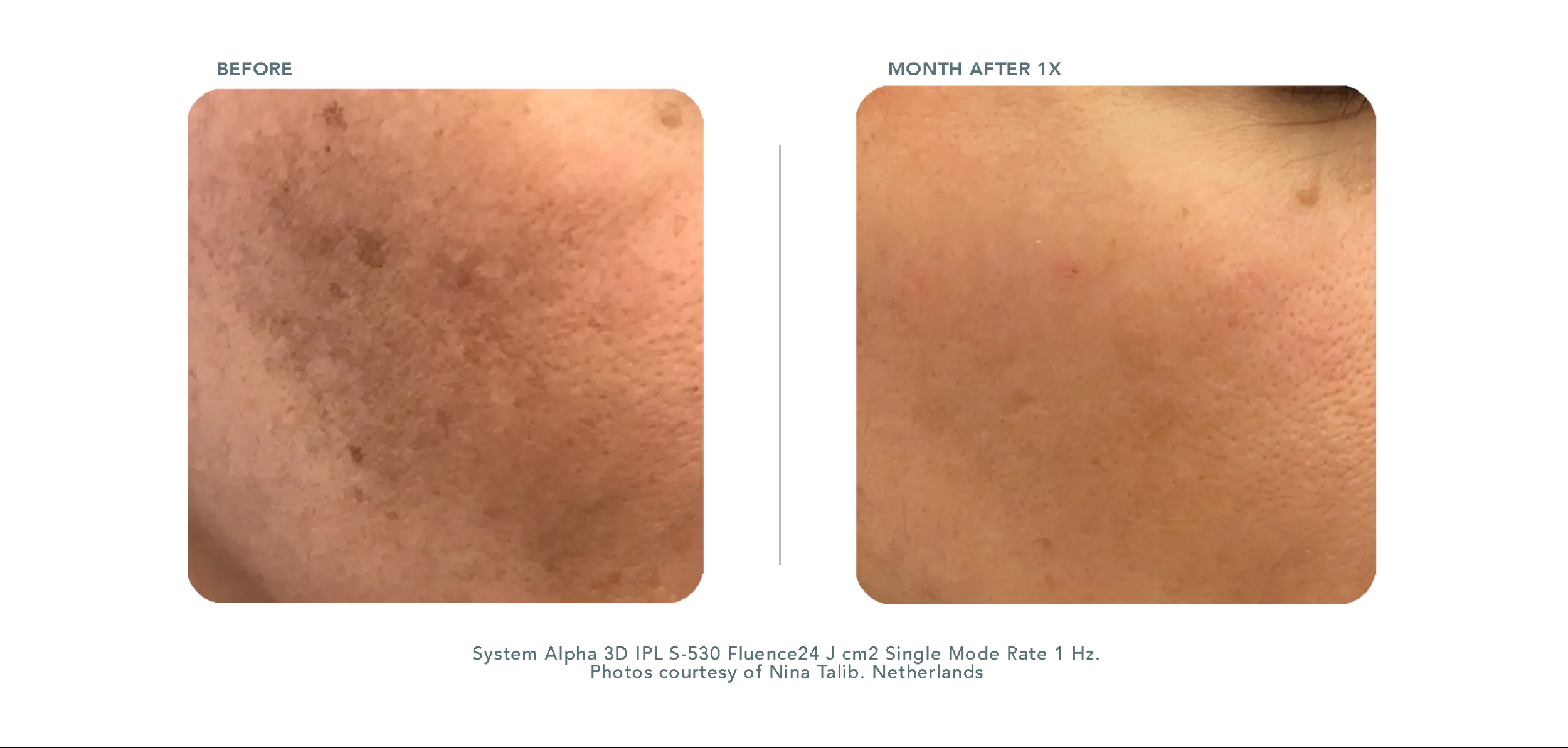
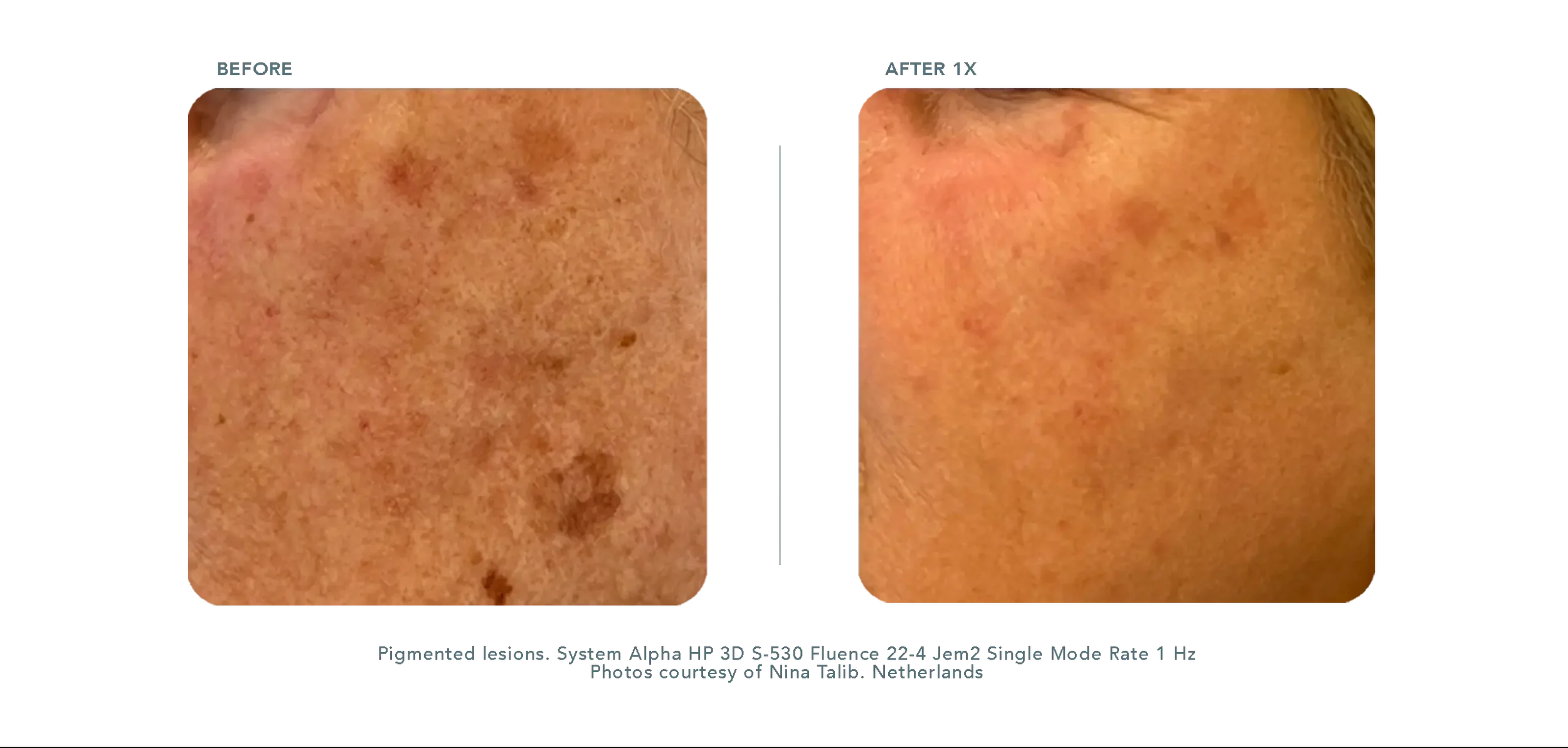
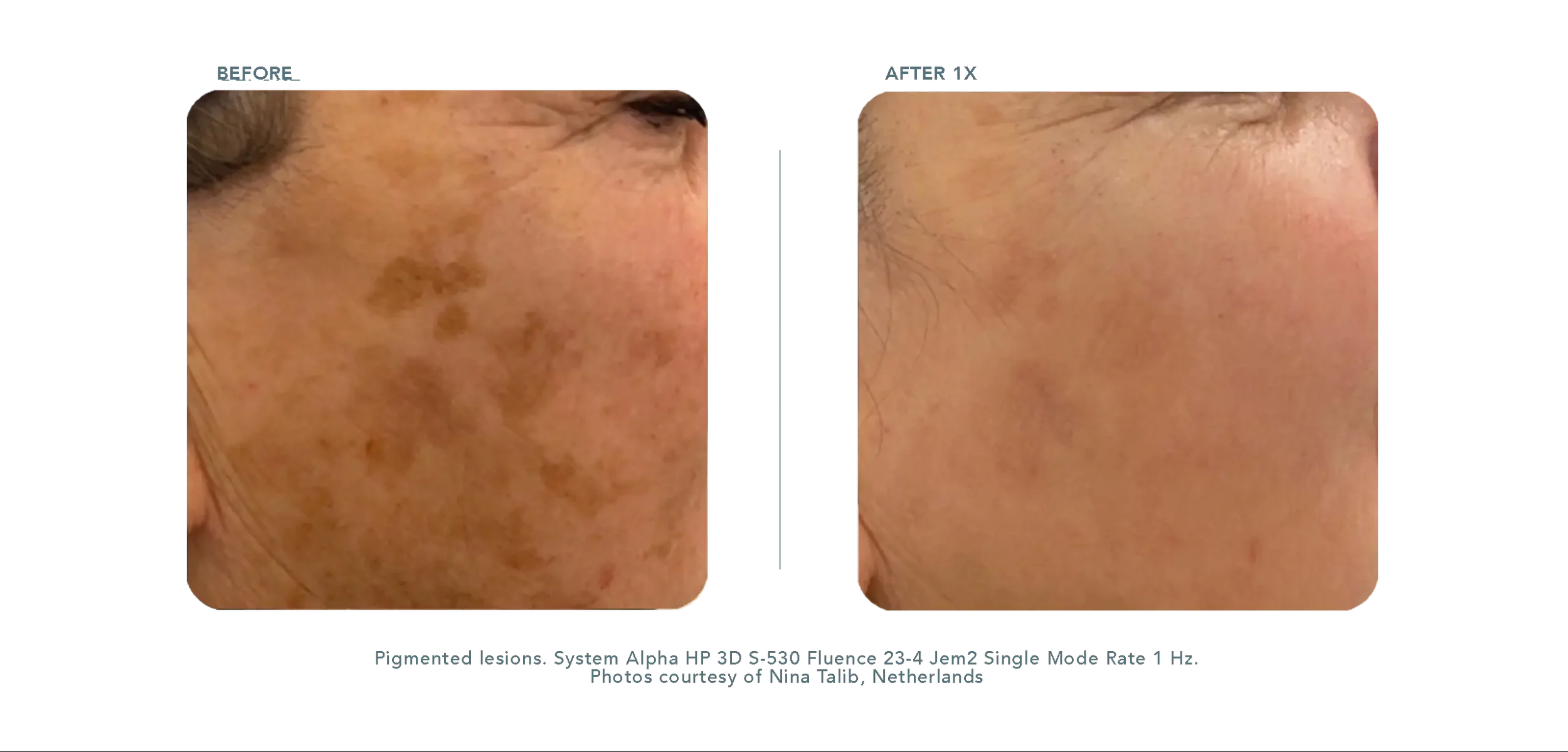
RESULT YOU CAN TRUST
APPLICATORS